

THE HEAT IS ON, AND IT’S ON HIGH
We are only through June, and the signs are unmistakable, the Northern Hemisphere is in for a fiery summer.
I live in Switzerland. Geneva is a city I’ve loved for its sense of calm and cool Alpine air. But this summer, something is very off. The heat is heavy. The air presses down in a way that doesn’t lift, ever. Meetings are harder to focus through. Nights are restless. And all around, there’s a quiet fatigue, people visibly wilting under the weight of heat that doesn’t belong here.
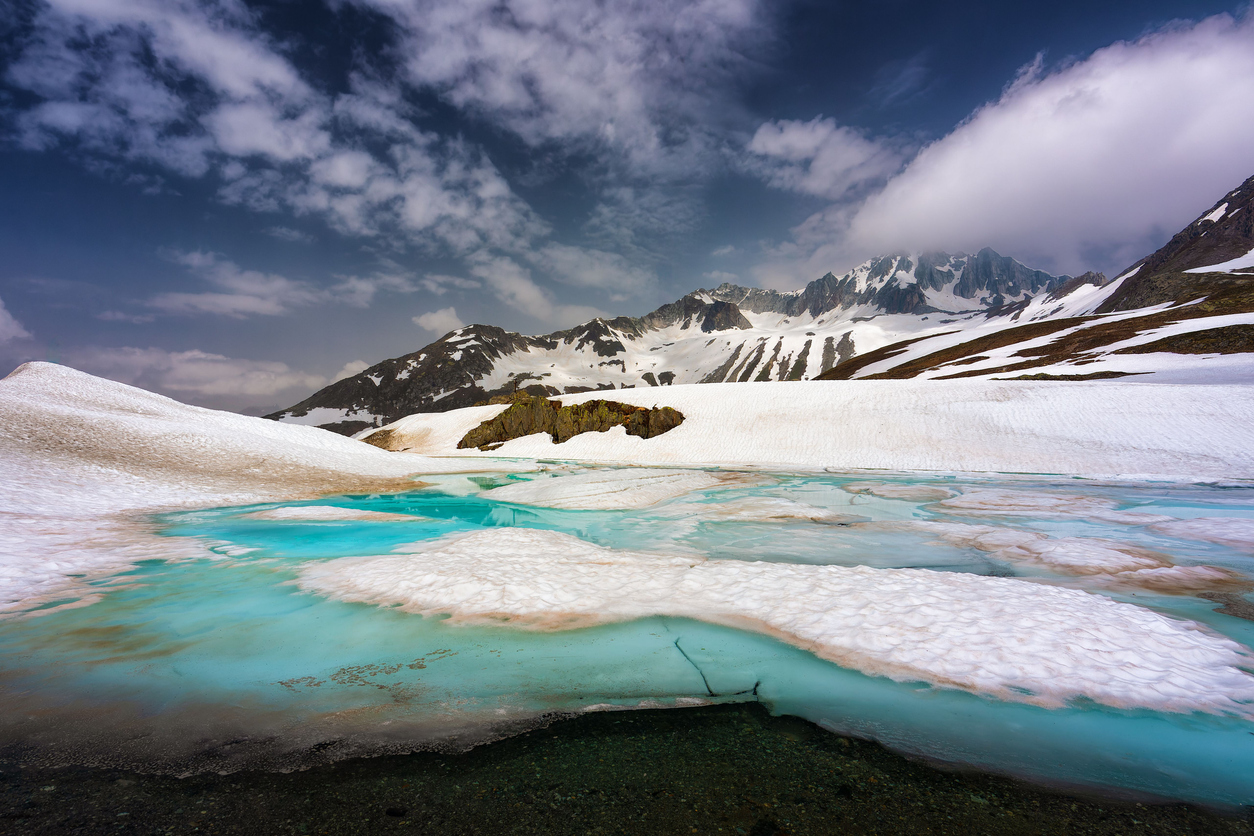
Looking up to the Alps magnificent peaks, already stripped bare, their snow gone far too early. It’s above freezing at the summit of Mont Blanc. The ice is pulling back. The rock is exposed. It’s unsettling. What we used to rely on as permanent now feels precarious.
Summer 2025 has barely begun, and already we’re in uncharted territory. Sea levels are rising faster than expected. Glaciers are collapsing. Just weeks ago, the Swiss village of Blatten was wiped away by falling ice and stone. Six hundred years of life were gone in a geological instant.
I speak with friends in Spain, where temperatures have already reached 46°C. London is already under its second heat advisory. As Wimbledon begins, extreme heat is forcing players to take officially enforced breaks to rehydrate. Across the Atlantic, the U.S. has just endured a record-breaking “heat dome.” Even Alaska, Alaska, is under its first-ever heat alert.
We used to speak of climate change as if it were distant. Something to worry about eventually, somewhere else, to someone else. But it’s no longer theory. It’s here. It’s invasive. And it’s accelerating.
This isn’t “extreme weather.” This is climate breakdown.
And the science is every bit as harrowing as the headlines. Human-induced warming is now rising by 0.27°C per decade. We’ve been warned this would accelerate. But it’s no longer a graph or a statistic, it is our cities buckling under unrelenting heat, our skies filled with wildfire smoke, and our nights refusing to cool.
Even more chilling: the feedback loops are intensifying. Warmer air holds more water, fuelling fiercer storms. Oceans absorb more heat, accelerating glacier loss. And clouds, once our planet’s natural sunscreen, are becoming less reflective.
The Earth’s energy imbalance has doubled in just two decades. Even scientists are sounding alarm bells louder, caught off guard by the speed at which change is unfolding.
In Europe, records keep tumbling. Spain has just seen its hottest June day in history. France is enduring its 50th heatwave since 1947. In Rome, people are trying to function in 40°C heat under Level 3 alerts. These conditions threaten even the healthy. In Greece, fires burn dangerously close to the Temple of Poseidon. Roads are literally melting.
This isn’t just heat. It’s hostility.
And here’s the bitter truth: while the planet cooks, we’re still drilling. Still expanding fossil fuel infrastructure. Still pretending this is a future problem, not a present emergency.
It’s not about tomorrow. It’s now. And it’s us.
Some governments choose to look away. Others appear to engage by hosting climate summits, pledging net-zero goals, banning plastic straws. Yet behind the scenes, fossil fuel subsidies flow, and oil rigs multiply. It’s a maddening contradiction. One hand gesture towards action while the other deepens its grip on the very forces fuelling this crisis.
We are walking into catastrophe with our eyes open.
So, what now?
That’s the question I find myself wrestling with. The motivation is obvious. The urgency is overwhelming. But what levers can we actually pull?
We’re told to recycle, ride bicycles, skip red meat. Fine. Let’s do it. But let’s also not pretend that personal virtue is enough to solve a planetary crisis.
What we need is not guilt. We need governance. We need:
- Local councils to move beyond symbolic climate emergencies and start banning fossil infrastructure outright.
- National governments to invest, properly and urgently, in heat mitigation, urban cooling, retrofitting, water resilience.
- Global coordination that phases out fossil fuels with hard dates, binding timelines, and real enforcement, not more hollow declarations.
- Mass mobilisation that sees climate not as one cause among many, but the cause, the defining issue of our generation.
We must demand policy with teeth. Action that is not performative, but effective. Because right now, too many are simply trying to survive summer, while others are cashing in on the very systems driving its intensity.
I don’t pretend to have all the answers. But I do know this: denial is no longer an option. And delay is just a polite word for destruction.
We have crossed the line from prevention to adaptation. If we don’t begin to fundamentally redesign how we live together – how we govern, build, travel, produce and consume, we will find ourselves scrambling for survival in a world that no longer makes room for us.
This is the new reality. We either face it now, or face a burning future.


