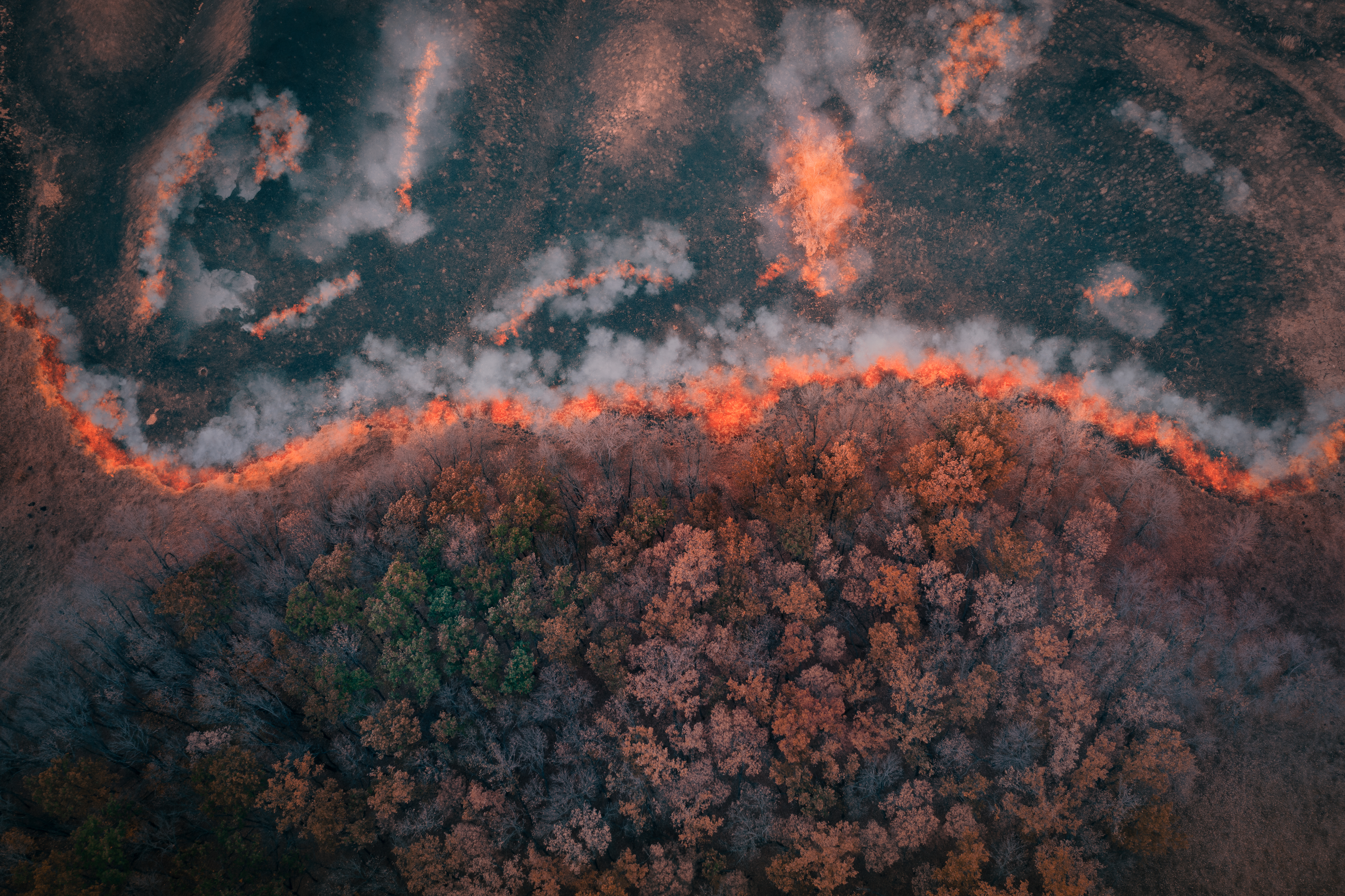
WORLD ON FIRE: A CALL FOR COURAGEOUS ACTION
Humanity is no longer standing on the edge of a climate catastrophe; we are deeply within it. The debate is no longer about theories or forecasts. It is about indisputable realities. The evidence surrounds us with increasing clarity: record-breaking temperatures, unrelenting storms, and rising seas. The climate crisis is not a challenge of tomorrow; it is the defining our world today. We have reached breaking point.
Am I being an alarmist? Not at all. I am being a realist.
The evidence cannot be denied. Mother Nature is making her fury felt. In 2024, the world crossed a pivotal and deeply troubling milestone, global temperatures exceeded the critical 1.5°C threshold above pre-industrial levels for the first time. Scientists had long warned of this moment, and its arrival has unleashed a cascade of consequences. The effects are no longer theoretical or distant; they are devastating and immediate.
Now, as 2025 unfolds, the stage has already been set with alarming clarity. Global headlines have chronicled the deepening crisis:
- Heatwaves of Lethality: Australia and South America have recorded the hottest January temperatures in history, with some areas facing life-threatening heat indices exceeding 50°C.
- Accelerated Glacier Melts: In Switzerland and the Arctic, ice loss has reached record-breaking levels threatening critical freshwater supplies and exacerbating global water insecurity.
- Violent Superstorms: Storm systems have battered North America and Europe, displacing thousands through flooding and destructive winds.
- Rising Seas: In low-lying Pacific nations, high tides breached defences, forcing entire communities to leave their homes permanently.
And most recently,
- Near-Biblical hailstorms shower down on French and Spanish streets.
The evidence of a world on fire is undeniable. And yet, at a time when bold and urgent action is essential, we are seeing disheartening political retreat. Across the globe, governments are rolling back climate commitments under the guise of economic pragmatism. This dangerous trend is setting the clock back on decades of progress, especially when we consider:
- In the United States, the return to fossil-fuel-heavy policies has undone international climate commitments.
- In Brazil, deforestation of the Amazon has accelerated alarmingly, undermining one of the world’s most critical carbon sinks.
- Even in Germany and the United Kingdom, former champions of green energy, political pressures are delaying essential transitions in the name of short-term economic gains.
This is not pragmatism; it is perilous negligence. The cost of inaction; human, environmental, and financial will far outweigh any perceived savings from deferring sustainable investment.
The moment, this moment, demands courageous action on multiple fronts. Governments, businesses, and citizens must unite to :
- Reduce Carbon Emissions: Immediate, enforceable policies to cut emissions cannot be delayed.
- Accelerate Renewable Energy Adoption: The shift away from fossil fuels must become a non-negotiable priority.
- Rethink Urban Planning: Cities must become models of resilience, equipped to withstand floods, heat, and resource scarcity.
- Safeguard Water Resources: Water scarcity is rapidly becoming a defining crisis, requiring innovative solutions and sustainable management.
- Support Climate Refugees: Rising seas and climate-induced displacement demand global migration policies rooted in humanity and foresight.
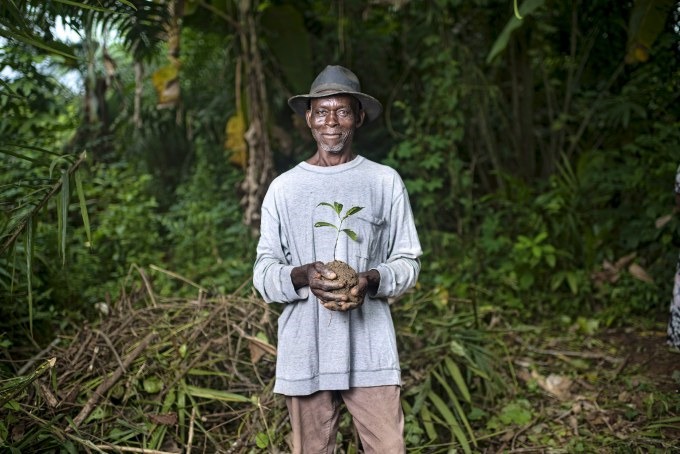
While systemic change is critical, the power of individual action must not be underestimated. Climate action is not about perfection but progress, incremental steps, made collectively, create transformative impact:
There is no single solution. Tangible, collective action across every sector of society; governments, businesses, and individuals alike. Policies and promises will not suffice; what matters now is what happens in boardrooms, on factory floors, in city halls, and in the daily decisions of every global citizen. We must embrace renewable energy with urgency, invest in infrastructure that builds climate resilience, and rethink the way we consume, produce, and prioritise.
This is not just about averting disaster. It is about boldly reimagining our future, one where cities are designed to endure, economies thrive on sustainability, and industries place environmental stewardship above unchecked growth. We cannot afford to wait for another crisis, another warning, another moment lost to hesitation. Each delay takes us further from the change we desperately need.
The question facing us is stark: will we rise as the generation that takes ownership of this crisis, or will we let the fleeting window for meaningful action close? This is not merely a call to action; it is a call for purpose.
The choice is ours, but time is not.
Now is the moment. Later is too late. Mother Nature is tired of giving us more time.

United states of america closed for tourism business – the heartbreak and the headaches, its time for a voice of tourism